For NJ, March 14 was the day our new world began. It’s incredible how much changed overnight. In schools, we were forced to move to virtual learning with little to no preparation. What is that expression? We were building the plane as we flew it. Or, maybe more appropriately, building the boat as we were sinking. Never before had we had to steer such a large vehicle with unfamiliar tools and platforms, all while the world fell apart. My respect for teachers has grown tremendously. I saw and experienced firsthand the tears and the heartache of missing our kids, of watching them struggle on the screen, of watching some lose their skills. Stories popped up on my social media feeds about teachers who would sit on driveways to talk to their students – socially distanced but face to face. These are likely not singular stories. Teachers BROUGHT IT this spring. Ok, so some were more comfortable than others with #zoomlife, yes, true. But most gave it their best shot.
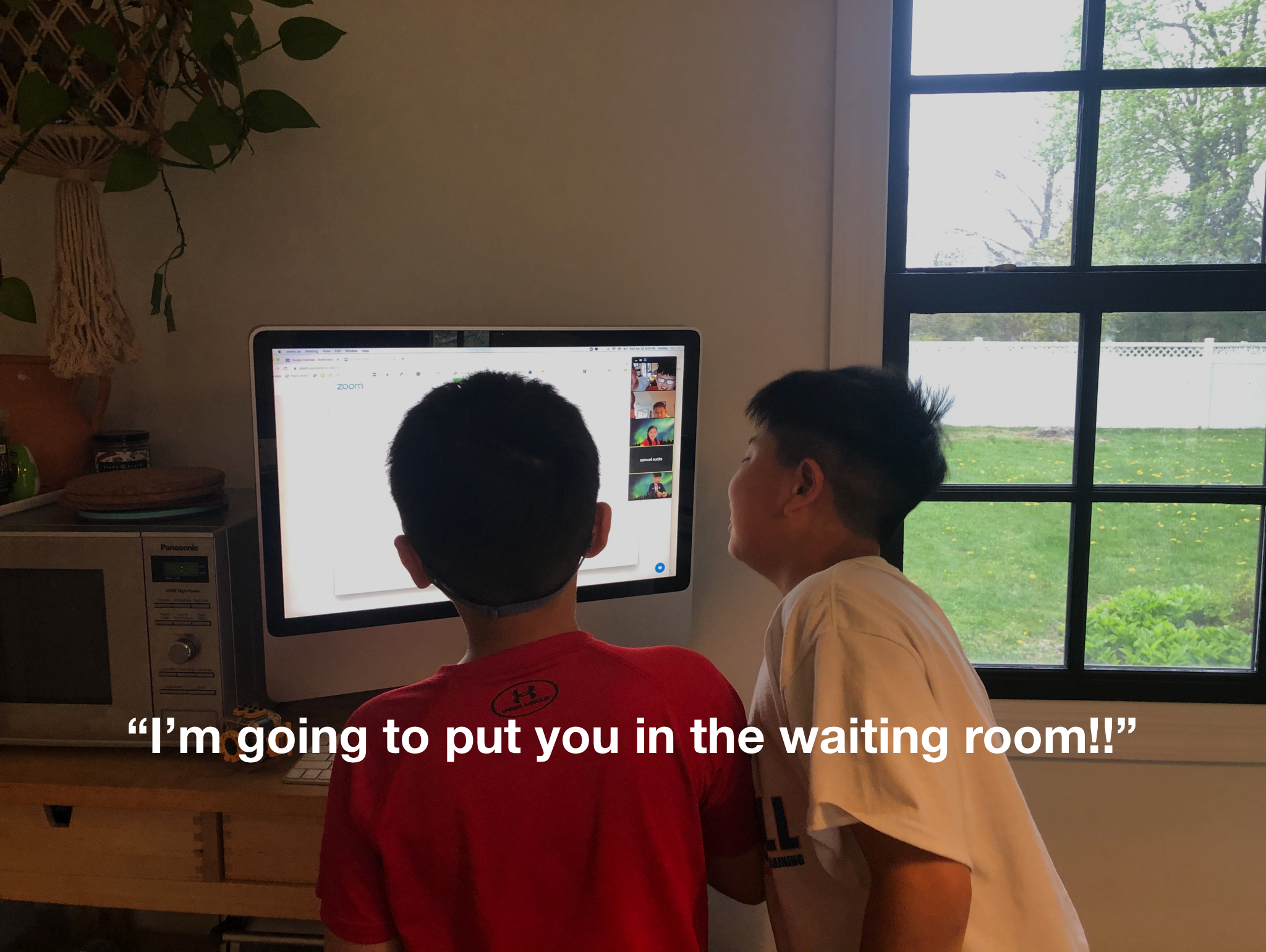
It really is fascinating if you think about the sociological effects of sheltering-in-place. We were already toeing the looming waters of the virtual world, but sheltering-in-place propelled us straight in the crashing waves without any floaties or life vests. If parents were concerned about “screen time” before Covid, forget it – there was no setting limits or avoiding the inevitable Roblox haze. Not to mention a new set of social rules that were unraveling as quickly as our audio was connecting…Talk about building that plane!
For many young children and individuals who struggle with social situations, virtual social skills threw a whole set of additional rules that they needed to learn how to navigate. For those of us who are more intuitive about social situations, we quickly learned that we could wear a nicer top with pajama pants on the bottom. We learned how to wait that extra second to talk when we saw someone unmute themselves. We learned when to turn off our cameras, when to press mute, not to sit in front of a bright window, and not to change our virtual backgrounds while our bosses held meetings. We learned the lingo – “waiting room”, “annotating”, “sharing our screen”, “audio”, “video”. While we may have had a fairly firm grasp of what these terms meant before Zoom life, we readily tweaked our definitions in the context of our new virtual experiences.
It became clear very early on in the quarantine that my boys needed some direct instruction on the social rules of virtual classrooms and virtual social interactions. They are 8 years old and neurotypical, and virtual interactions were new for them. As young children, they are still learning in-person social skills; surely, they could not be expected to know much about this new kind of social interaction.
In that same way, as I worked with my students, I noticed that many needed much of that same kind of direct instruction with additional support. While we’re still talking about the plans for the fall and while many of us are still spending most of our social interactions virtually, I’d like to offer some talking points for you and your children/students to help shape their virtual social skills:
- “You know what I noticed? Talking on Zoom is so different than talking face to face, isn’t it? I can’t see people’s postures to tell me if they’re bored, and I can’t pick up on face clues to tell me how someone is feeling. What do you notice?”
- “You know what I noticed? It’s really hard to focus on what someone is saying when other people’s microphones are not muted. Let’s remember to mute ours.”
- “When my professor is talking, I like to keep the settings on “Active Speaker” so that I don’t get distracted by everyone in class. It helps me focus. Which setting do you like for class? Do you ever like to use Gallery View? When?”
- “Sometimes it’s hard to find an open moment to ask a question when everyone else is talking, isn’t it? When that happens to me, I like to type my question in the chat box. When my teacher is ready, he’ll/she’ll see it.”
- “When you keep changing your virtual screen, it can be really distracting to everyone in this meeting. If you want to try a new screen, let’s get on a few minutes before class, ok?”
- “There is more than one way to tell someone you agree with them on Zoom. You can nod. You can put your thumbs up. You can write an encouraging message on the chat. You can unmute yourself for a seconds to tell them you agree using your voice. Which is your favorite way?”
There are so many discussions to have with our children about virtual interactions but I hope that these can get you started!
 thoughts & ramblings of an slp